Search

CO2 Laser Resurfacing

CO2 laser skin resurfacing is a non-surgical cosmetic procedure that uses a carbon dioxide laser (CO2 laser) to improve the appearance of the skin. CO2 laserresurfacing is effective in treating a variety of skin issues, including wrinkles,sun-damaged areas, acne, scars,birthmarks, pigmentary changes, and fine.

Dr. Kahana and his team specialize in expert non-surgical procedures and treatments for eye and facial rejuvenation. Our staff is patient, knowledgeable, and focused on delivering the highest quality service and results. Schedule your appointment today for a personal consultation.
How it Works

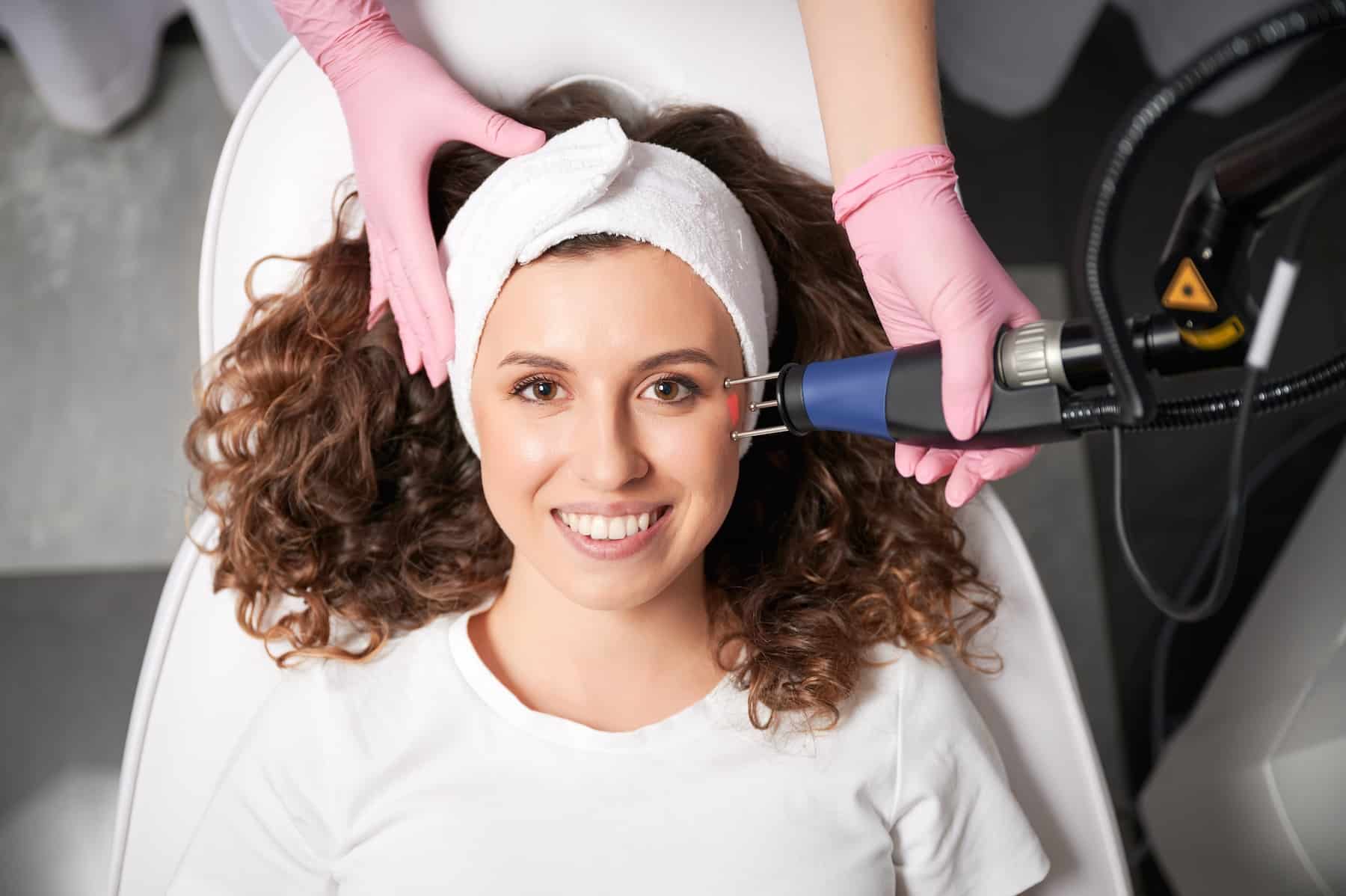
The CO2 laser uses pulses of laser light to precisely remove the outer layers of skin (epidermis) while simultaneously heating the underlying skin (dermis), which stimulates the growth of new collagen fibers.

As the treated area heals, the new skin that forms is smoother and firmer in texture, with less pigmentary changes and irregularity. The increased production of collagen will also improve the overall health of your skin. This procedure can be tailored to the specific needs and skin type of the patient. Oftentimes, CO2 laser can be used to augment cosmetic surgical outcomes.Recovery time varies depending on the extent of the treatment, with some redness and peeling expected. The results can be a more youthful and rejuvenated skin appearance.
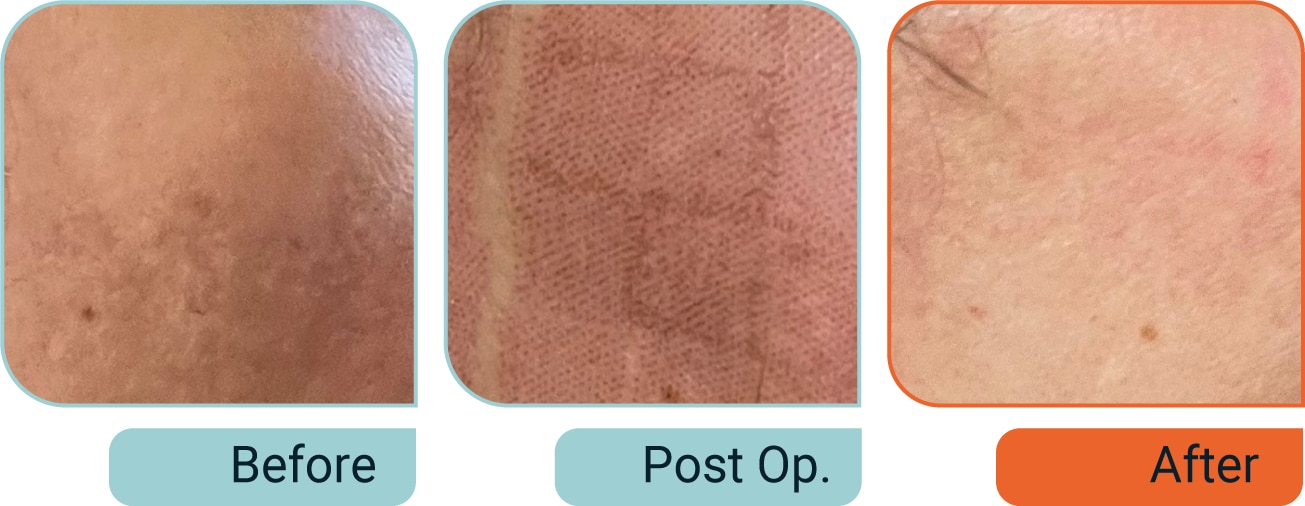
Before laser resurfacing, revealing damaged cheek skin with hyperpigmentation, and the 3 and 9 days post resurfacing. The damaged hyperpigmented skin looks fresh and rejuvenated. And that’s just 9 days after 1 treatment.

What is CO2 Laser Resurfacing?

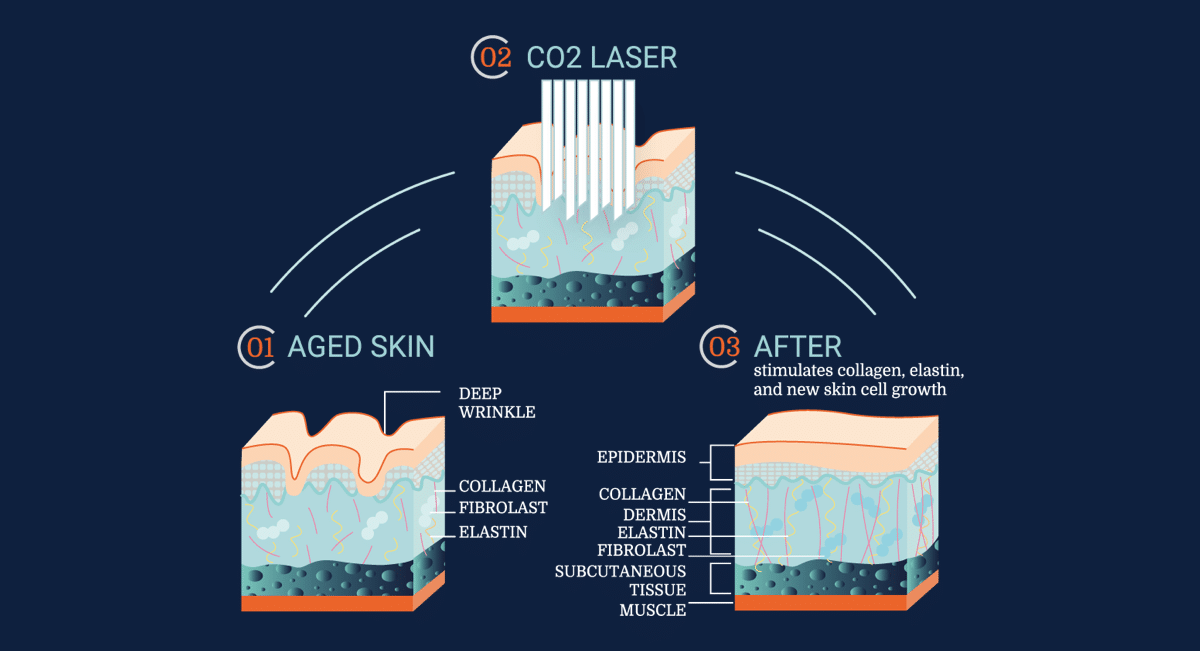
CO2 laser resurfacing is an advanced cosmetic dermatological procedure that uses carbon dioxide laser technology to improve skin texture, tone, and appearance. The CO2 laser uses pulses of laser light to precisely remove the outer layers of skin (epidermis) while simultaneously heating the underlying skin (dermis), which stimulates the growth of new collagen fibers.As the treated area heals, the new skin that forms is smoother and firmer in texture, with less pigmentary changes and irregularity. The increased production of collagen will also improve the overall health of your skin.
This procedure can be tailored to the specific needs and skin type of the patient. Oftentimes, CO2 laser can be used to augment cosmetic surgical outcomes.

What Does CO2 Laser Resurfacing Treat?

This versatile treatment effectively addresses multiple skin concerns, including fine lines and wrinkles, age spots and sun damage, acne scars and other types of scarring, uneven skin texture and tone, and enlarged pores. The procedure is particularly effective for facial rejuvenation and can be performed on various areas of the body.

Types of CO2 Laser Treatments

CO2 laser resurfacing can be performed as either fractional or traditional (ablative) treatment. Fractional CO2 creates microscopic treatment zones while leaving surrounding tissue intact, resulting in faster healing times.Traditional CO2 resurfacing removes larger areas of skin surface for more dramatic results but requires longer recovery periods.

Recovery and Results

Patients typically experience redness, swelling, and peeling for 1-2 weeks following treatment.Complete healing usually occurs within 2-4 weeks, with optimal results becoming visible over 3-6 months as new collagen continues to form. Most patients see significantimprovement in skin texture, tone, and overall appearance that can last for years with proper skincare maintenance.

Sign me up!

You can schedule a consultation for CO2 Laser Resurfacing with Dr. Kahana and his team. If you are a candidate for CO2 Laser Resurfacing, your treatment will be scheduled and detailed pre- and post- care instructions will be provided ahead of your procedure appointment.

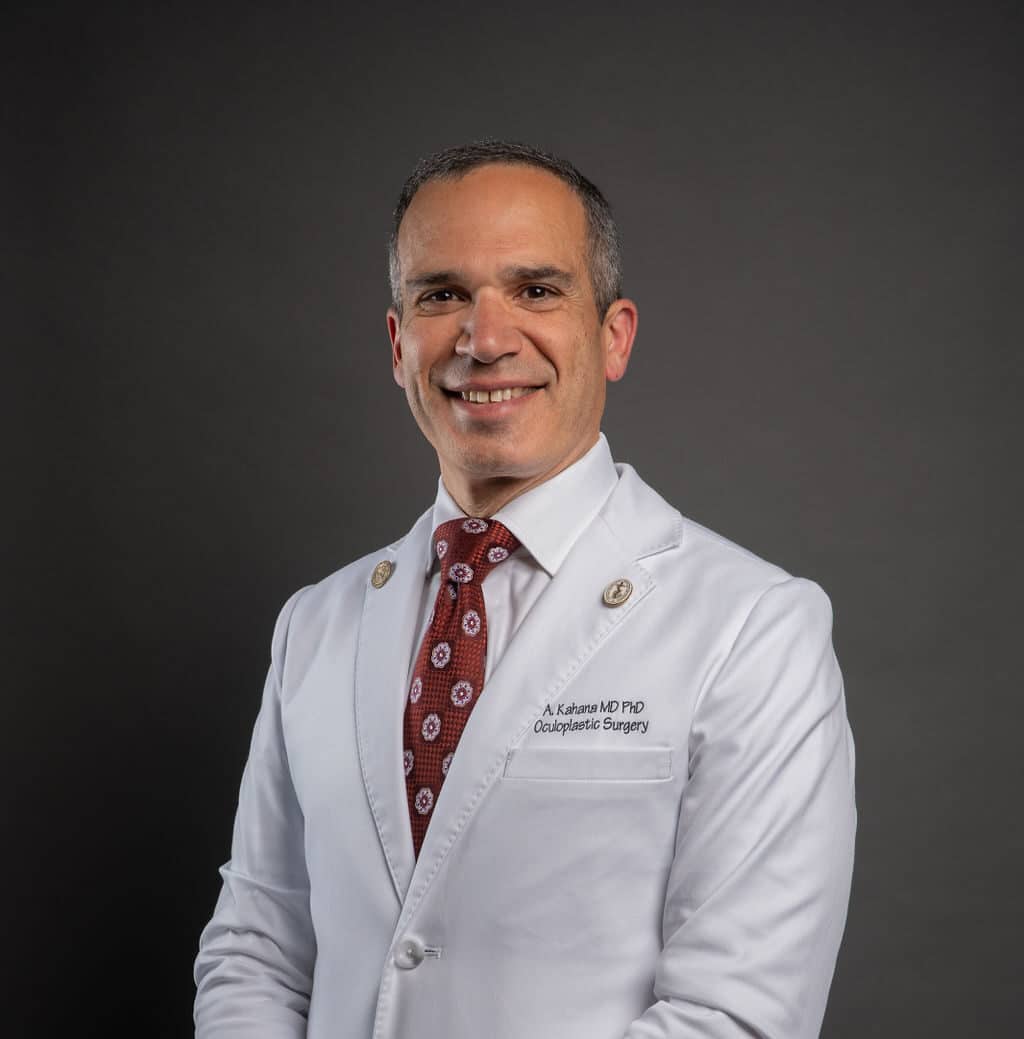
Dr. Alon Kahana

How to Prepare for CO2 Laser Resurfacing and What to Expect After the Procedure

Leading up to your treatment:

  • No tanning one month prior to treatment. Limit UV exposure. This treatment is more successful and has fewer risks on untanned skin.
  • Use SPF 50 sunscreen daily for the month leading up to treatment.
  • Use a vitamin C serum daily for one month leading up to treatment.
  • Stop use of your retinol/retinoid creams 2 weeks prior to treatment.I do recommend using a 0.25% retinol leading up to treatment, but this must be stopped one week prior at the latest before undergoing treatment. If you are new to retinols, start with a lower concentration and only use 2-3 times per week. These can make your skin very sensitive and dry, and MUST be used along with sunscreen and moisturizers. Retinols should only be used before bed, and not in the morning. Don’t use retinols directly after application of vitamin C serum.
  • Stop use of oral tetracyclines (e.g. doxycycline) one week prior to treatment.
  • Tell your provider if you have a history of herpes virus infections.
  • Begin your antiviral medication as instructed prior to your treatment and continue as prescribed.
  • Begin your Z-Pak one day prior to treatment and continue as prescribed.
  • If you were prescribed valium, please bring your pills to treatment with you along with a beverage. If taking a valium, you MUST bring a driver with you.
  • If you take a blood thinner, please note that you may bruise more following treatment.

Shopping list prior to treatment:

  • Distilled white vinegar
  • Distilled water
  • Aquaphor large container
  • SPF 50 sunscreen
  • 1% Hydrocortisone cream (over the counter)
  • Vitamin C serum for before and after treatment
  • Topical antioxidant (eg. EltaMD Skin Recovery Serum, La Roche Posay antioxidant serum with SPF 50 or Paula’s Choice super antioxidant serum)

Recommendations listed by brand:

  • EltaMD AM and PM therapy (moisturizer) and EltaMD Skin Recovery Serum (antioxidant)
  • Paula’s Choice vitamin C serum (dupe for CE Ferulic acid from SkinCeuticals) and super antioxidant serum
  • Neutrogena and CeraVe brands for gentle cleansers, moisturizers and sunscreens
  • La Roche Posay antioxidant serum with SPF 50, Toleraine double repair face moisturizer with SPF 30 for long term face lotion + SPF, vitamin C serum
  • Ole Henrikson Truth Serum Vitamin C Serum 2

What to Expect During Treatment

  • You will experience mild pain with this procedure. A topical numbing cream will be applied beforehand, once you arrive at our clinic.
  • You should plan to take your valium (if wanted) within 20 minutes of the treatment.
  • You will have shields placed over your eyes for protection from the light beams.
  • You should avoid plans for the 10 days after treatment.
  • Recovery time varies based on your skin type and adherence to post treatment guidelines.
  • Your skin will feel warm, like a sunburn, immediately after treatment.You will appear red and swollen, with possible oozing. These symptoms generally last for 24-48 hours, and ice packs and Tylenol will help. For excessive swelling, please sleep with the head of your bed elevated (extra pillows).

Post CO2 Laser Care Instructions:

Day 0:
  • Your skin will look immediately red and irritated after your treatment. It will feel warm and similar to a sunburn.
  • You will have Aquaphor placed over treated areas immediately after your procedure. Continue to keep your skin covered with Aquaphor at all times for the rest of the day.
  • From now until day 10, do not use tap water on the treated skin.
Day 1-6:
  • Mix 1 tsp distilled white vinegar with 1 cup distilled water. Make a fresh solution every day to keep it clean, and store in the refrigerator. Use a clean washcloth dipped in the vinegar solution to gently pat away the Aquaphor and debris from your skin. DO NOT RUB OR SCRUB your treated skin! DO NOT PICK AT FLAKING OR SCABBING SKIN! Reapply Aquaphor mixed with a small amount of 1% hydrocortisone cream after the vinegar wash. This should be done every 2-3 hours while awake.
  • Your skin may be itchy. This is a normal part of the healing process. DO NOT SCRATCH your treated skin!
  • The skin will be red and inflamed. It will become dry and flaky if you are not using Aquaphor adequately. Do not allow your skin to become too dry, and do not pick at any flakes or scabs if they form.
Day 7-10:
  • Decrease the white vinegar soaks followed by fresh Aquaphor/hydrocortisone to 3-4 times daily.
  • Begin applying topical antioxidant daily.
  • Begin use of SPF 50 sunscreen every morning on clean skin.
Day 11:
  • Stop the white vinegar soaks.
  • You may now use tap water over treated areas.
  • If experiencing redness and hyperpigmentation, may continue with a very thin layer of hydrocortisone once daily for up to 6 weeks after treatment.
  • You may now use your normal facial cleansers and moisturizer (recommend CeraVe and Neutrogena).
  • Continue to use SPF 50 sunscreen every morning.
  • You may now use makeup.
Month 1 and on:
  • You may resume retinol products. Please be mindful that your skin is now more sun sensitive than before your treatment, and so use retinol more sparingly than before treatment. If skin becomes more irritated with use of a retinol, stop or decrease the use of retinol.
  • You may now resume vitamin C serum.
  • Continue to use SPF 30+ sunscreen daily. Forever.

Other Considerations

  • Do not exercise for 7-10 days post treatment, or if you are still feeling burned and swollen. Sweating can increase the risk of infection.
  • You may take a “body shower” the day after treatment, however be cautious not to allow hot water or steam to touch treated areas. Try to avoid tap water on treated areas for the first 10 days after treatment, and use distilled water instead.
  • Do not undergo waxing, micro-dermabrasion, exfoliators or light peels over the area for 3 months after treatment.
  • After CO2 laser, your skin is more sensitive and susceptible to UV light. For best results and to avoid hyperpigmentation, avoid sun exposure altogether for 4 weeks after your treatment. Wear coverings, a hat, sunscreen, or avoid completely.Sun exposure will increase the likelihood of hyperpigmentation of treated skin. Do not use sunscreen on treated areas for one week after treatment, and then use it daily going forward.
  • You will experience pinkness for weeks to months after the treatment. This is normal and is a sign of the body’s natural healing and collagenproduction.
  • A risk of skin resurfacing is post inflammatory hyperpigmentation (PIH). Following these post care guidelines will minimize PIH. Sun avoidance after treatment is critical for avoiding PIH. PIH typically fades over time, however you may require treatment for the hyperpigmentation if it is not subsiding.
  • Flare ups of acne or formation of milial cyst is possible after CO2 laser resurfacing. Please contact the office if cysts form.

Transform Your Look

Your journey toward a fresh, rejuvenated look begins with a private consultation with Dr. Kahana at Kahana Oculoplastic and Orbital Surgery.

To schedule your evaluation, please call 248-800-1177 or click the link below
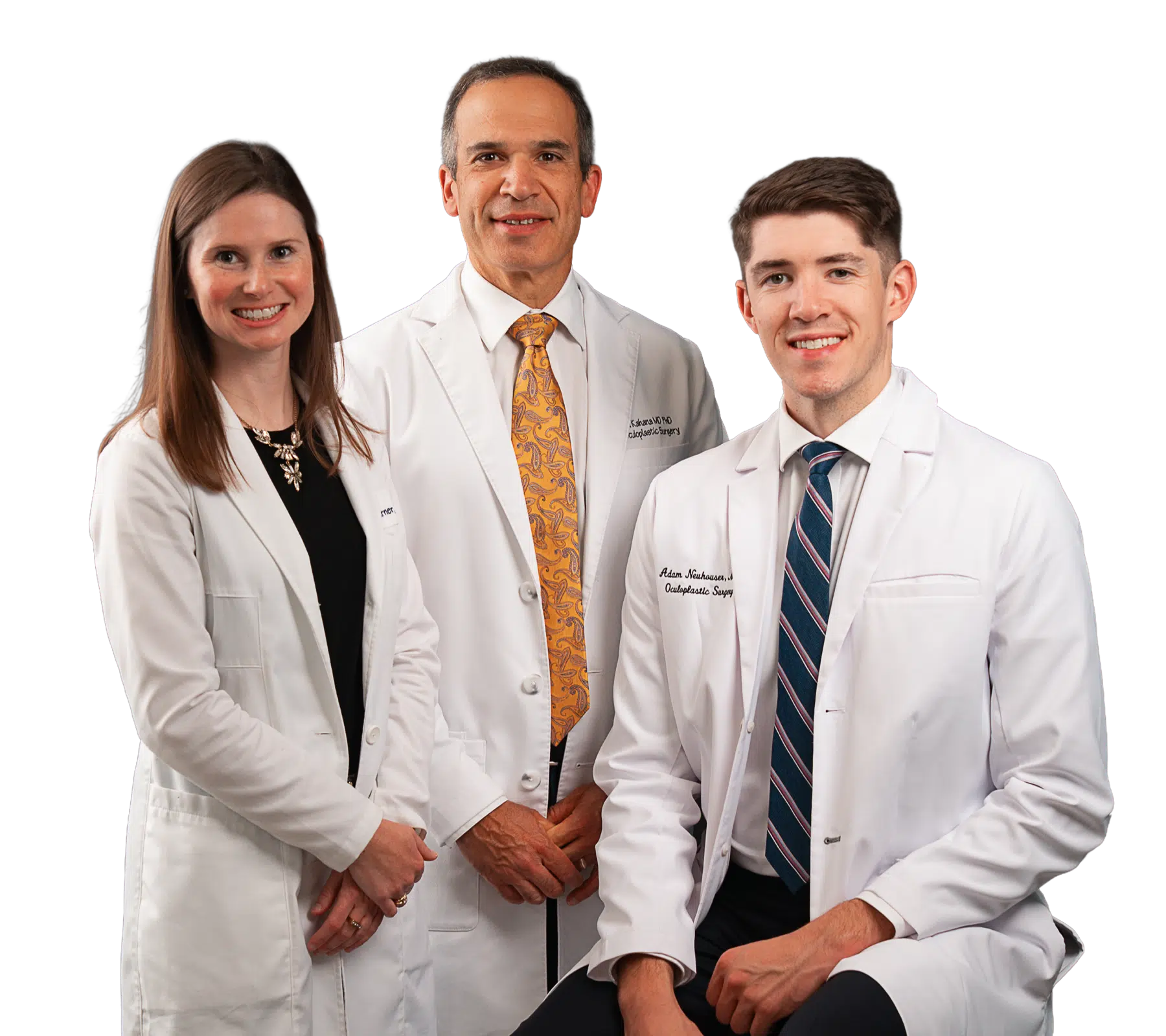
Kahana Team
aao logo
abo logo
asoprs logo
nasaos logo
arvo logo